

サッカーのゴールキックとは?
WorldCupExplain 編集チーム2026-06-14 更新
ひとことで言うと
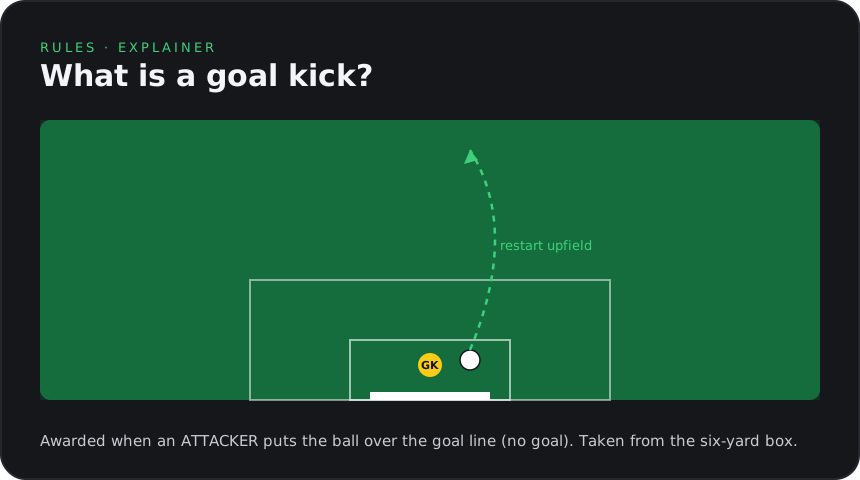
ゴールキックは、ボールが最後に攻撃者に触れてゴールライン(ネット以外)を越えたときにプレーを再開します。守備側がゴールエリア内から蹴り、近年は選手がペナルティエリア内で直接ボールを受けて攻撃を組み立てられます。
重要な事実
- 1ゴールキックは、ボールが最後に攻撃者に触れて全部ゴールラインを越え、得点にならなかったときに与えられる[1]
- 2守備側がゴールエリア内のどこからでも蹴る[1]
- 3ボールは蹴られて明確に動けばインプレー。味方はペナルティエリア内で受けられる[1]
- 4ゴールキックから直接得点できるが、相手ゴールに対してのみ[1]
ゴールキックはコーナーの鏡像です。状況は同じで、犯人が逆です。
ゴールキックはいつ与えられますか?
ボールがゴールに入らずにゴールラインを越え、最後に触れたのが攻撃者だった場合、守備側にゴールキックが与えられます。最後に触れたのが守備者ならコーナーになります。
どこからどう蹴りますか?
ゴールエリア(6ヤード)の内側から、通常はゴールキーパーが蹴ります。ボールは蹴られた瞬間にインプレーになります。
なぜ今は短くつなぐのですか?
ルール変更により、味方がペナルティボックス内にいるうちにボールを受けられるようになりました。だから今は守備者が長く蹴らず、短くつないで「後方からのビルドアップ」で攻撃を組み立てるのです。
NFL/NBAを知っているなら...
ゴールキックは、相手にアウトにされた後、自陣深くでボールを取り戻すことと考えてください――自陣エンドからドライブを始めるようなものです。現代のチームは短いパスで「後ろからつなぐ」ことをよく選びます。ロングボムではなく、緻密な開始ドライブのサッカー版です。
重要なポイント
- ゴールキックは、攻撃側に触れてボールがゴールラインを越え、得点にならなかったときの再開です。
- 守備側がゴールエリア内から蹴り、今ではペナルティエリア内で直接受けられます。
出典と参考文献
- IFAB — Law 16: The Goal Kick(2026-06-01 閲覧)
- IFAB — Law 9: The Ball In and Out of Play(2026-06-01 閲覧)