

サッカーのPK(ペナルティキック)とは?
WorldCupExplain 編集チーム2026-06-14 更新
ひとことで言うと
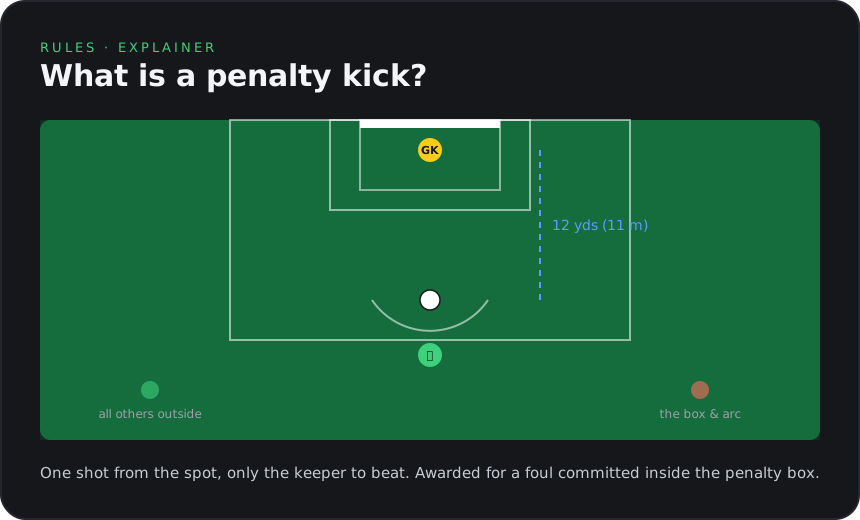
PKは11メートル(12ヤード)からの1対1のシュートで、GKだけを相手に蹴ります。守備側が自陣ペナルティエリア内でファウルやハンドを犯したときに与えられます。GKはボールが蹴られるまで、片足の一部をゴールライン上に残さなければなりません。
重要な事実
- 1PKはゴールから11メートル(12ヤード)のペナルティマークから、GKだけを相手に蹴る[1]
- 2守備側が自陣ペナルティエリア内で直接FK相当のファウルやハンドを犯したときに与えられる[2]
- 3ボールが蹴られる瞬間、GKは片足の一部をゴールライン上・線上・後方に置かねばならない[1]
- 4ボールは蹴られて明確に動けばインプレー。蹴った選手は他の選手が触れるまで再度触れられない[1]
PKは、サッカーで最もフリーショットに近いものです。1人の選手対ゴールキーパーの勝負です。
PKとは?
ペナルティスポット(12ヤード=11m)からのシュートで、抜くのはキーパーだけ、他の選手は全員ボックスの外に出ます。距離が近いため、外すより決まる方がはるかに多いです。
いつ与えられますか?
守備側が自陣ペナルティエリア内で、直接FKに相当するファウルやハンドを犯したときです。PKになるのは反則の重さではなく、起きた場所です。
キッカーとキーパーのルールは?
キーパーはボールが蹴られるまで片足の一部をゴールライン上か後方に残す必要があり、横には動けますが早く前に出てはいけません。キッカーは助走で止まる動作はできますが、完全に静止したりボールに2回触れたりはできません。
NFL/NBAを知っているなら...
PKはバスケのノーマークのフリースローのようなものですが、価値ははるかに上。1本のPKが試合全体を決めることがよくあります。違いはGKで、セーブを試みることが許されます。ディフェンスが見ているだけのフリースローとは違います。
重要なポイント
- PKは11メートルからキーパーと1対1で蹴る、1本のシュートです。
- 守備側がペナルティエリア内で犯したファウルやハンドに対して与えられます。
出典と参考文献
- IFAB — Law 14: The Penalty Kick(2026-06-01 閲覧)
- IFAB — Law 12: Fouls and Misconduct(2026-06-01 閲覧)